Your cart
Cart
items
Shopping cart



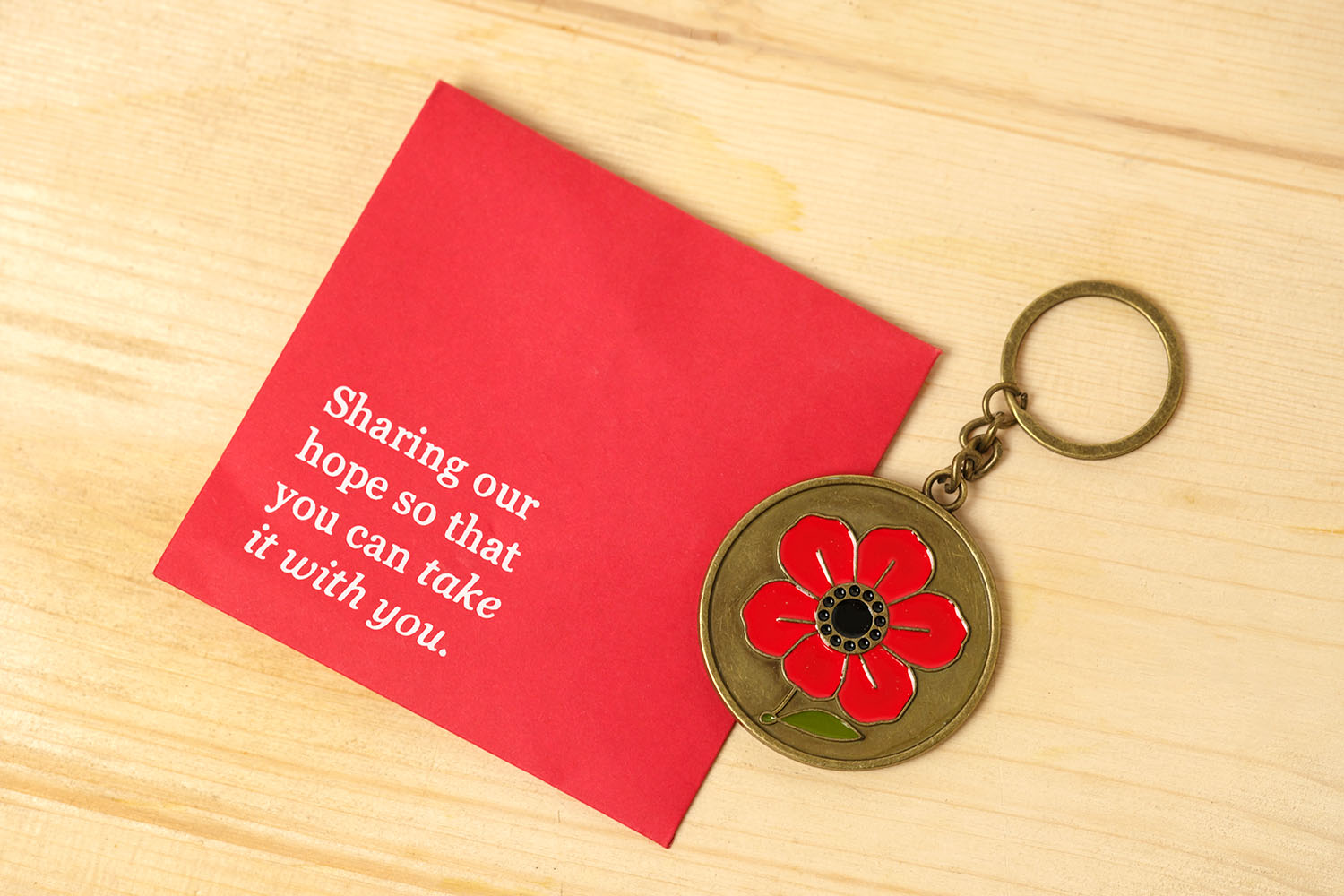
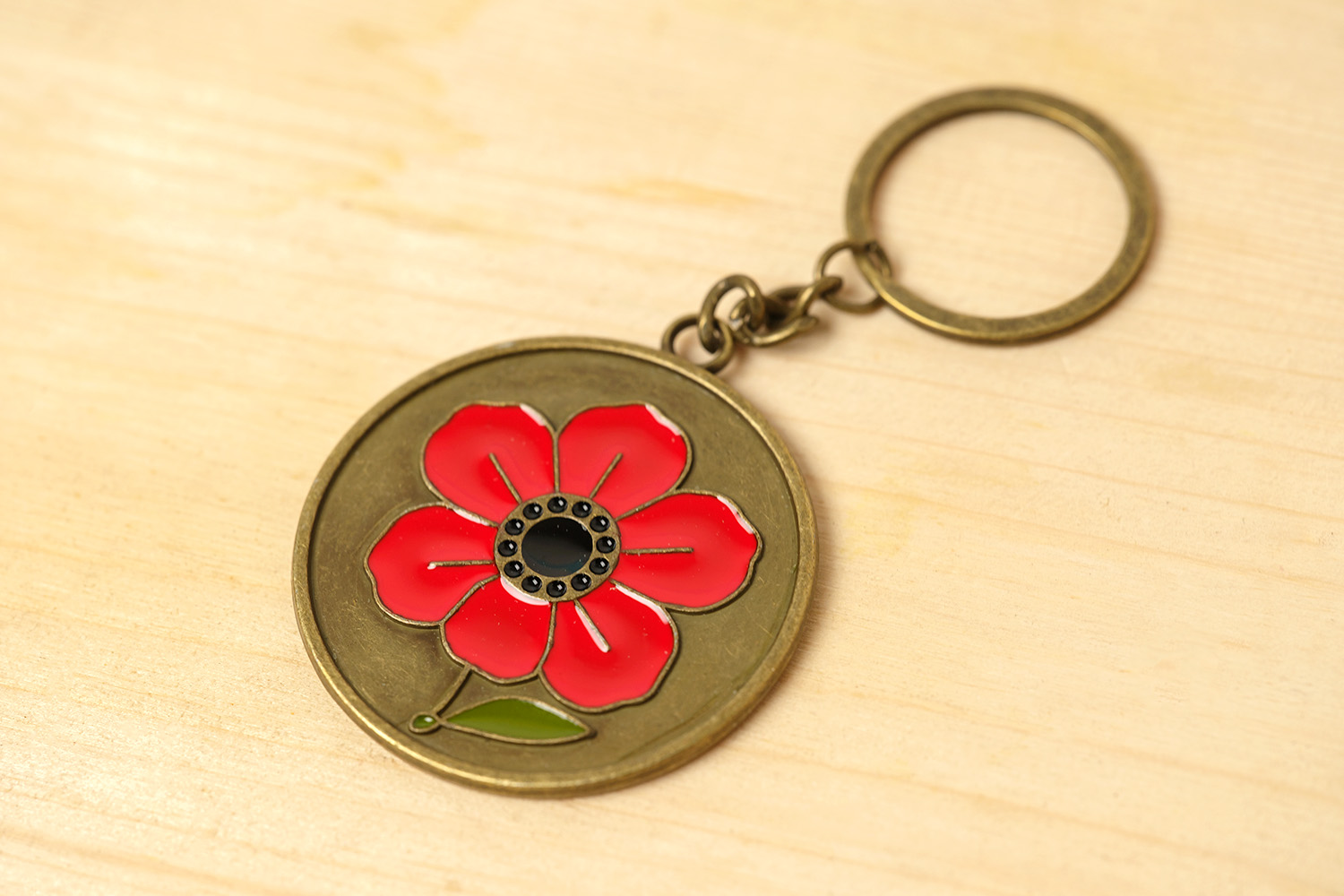
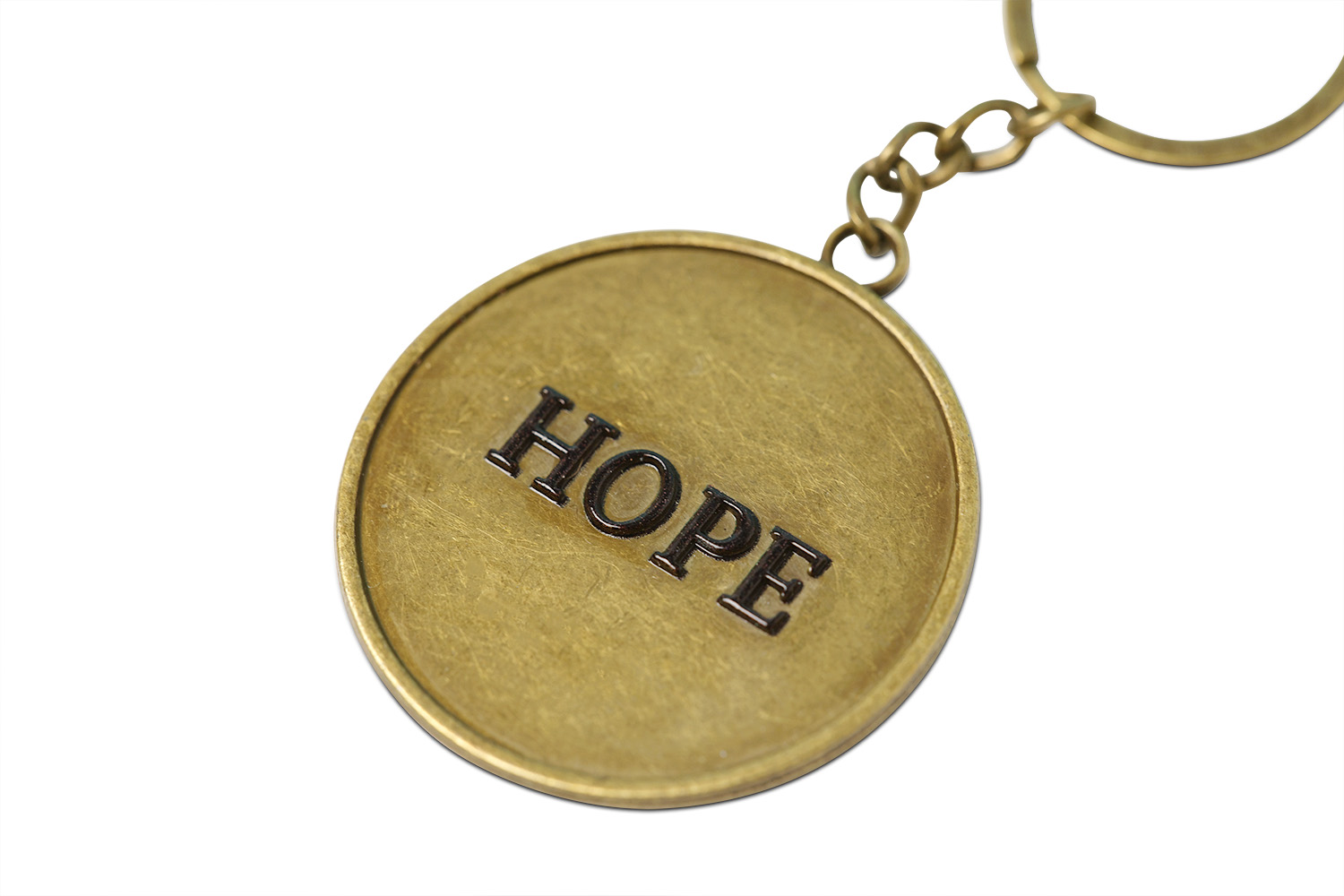

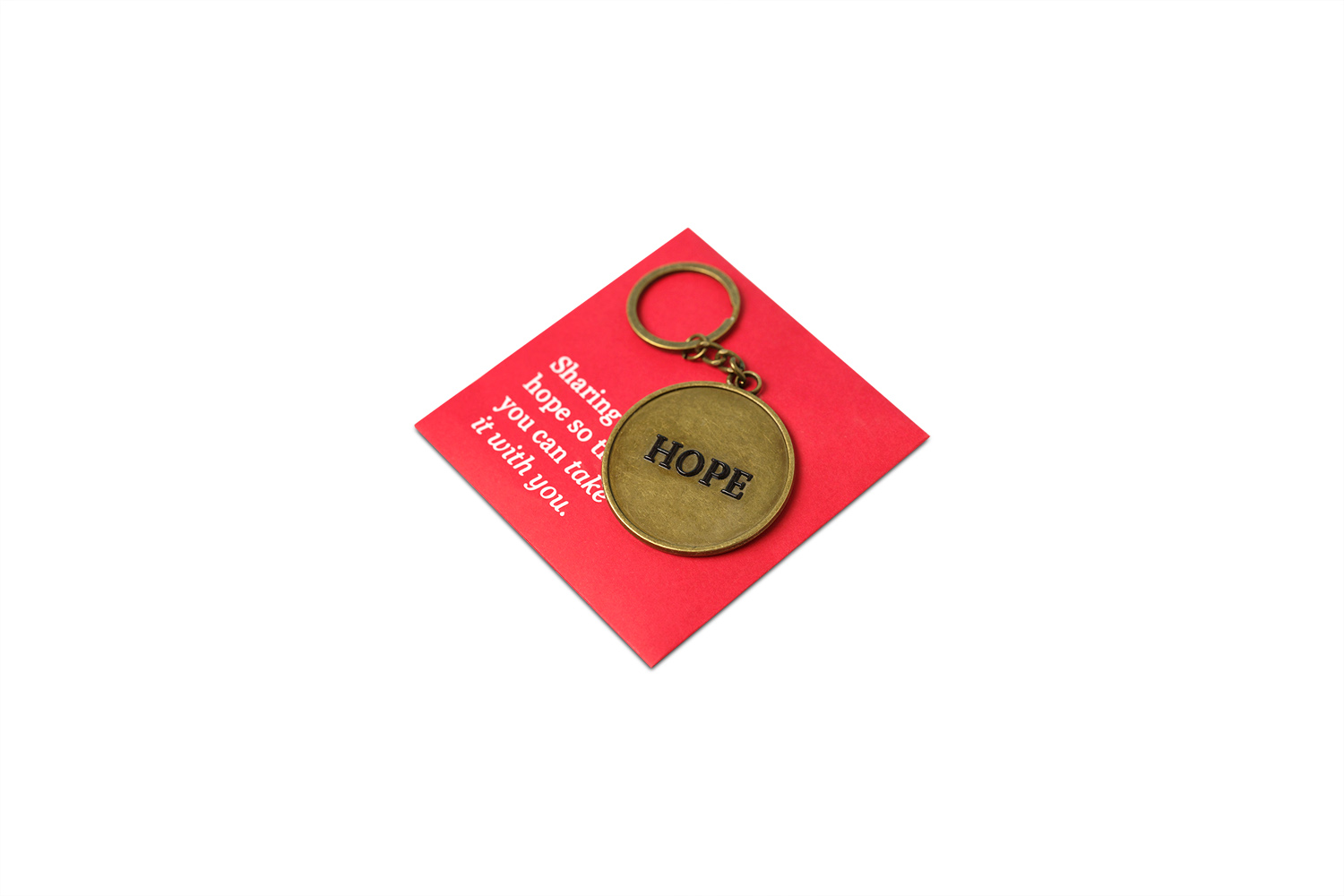
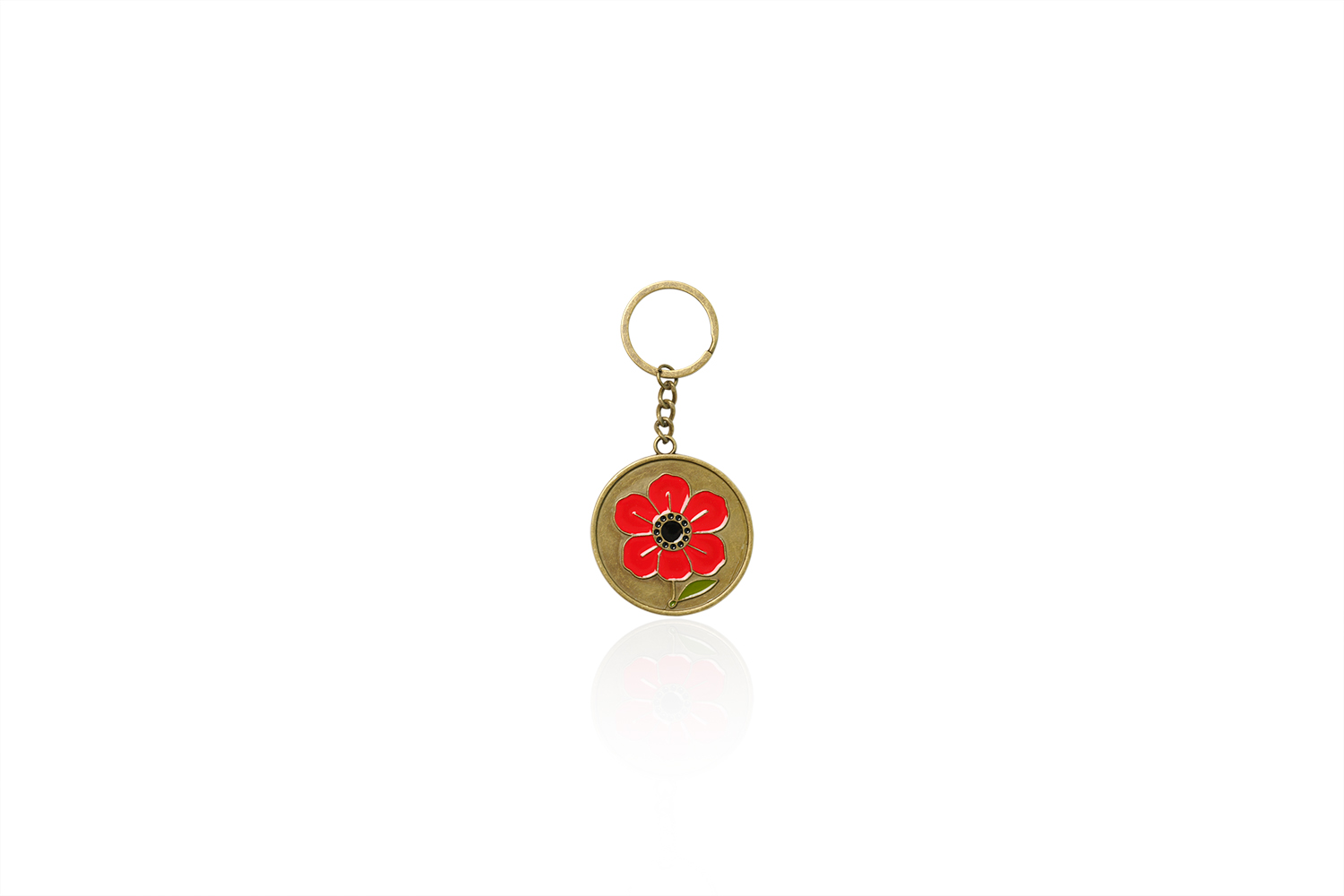
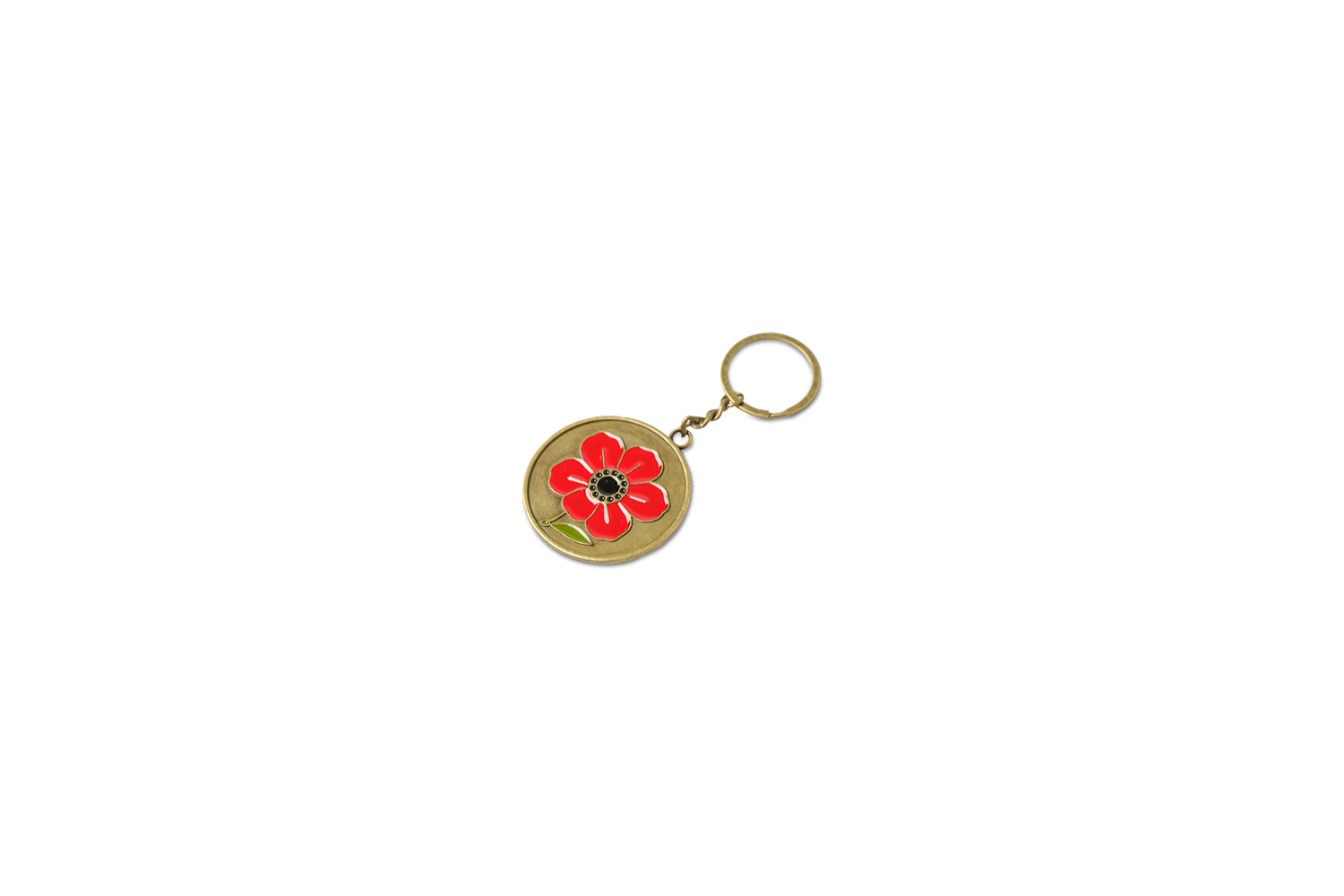
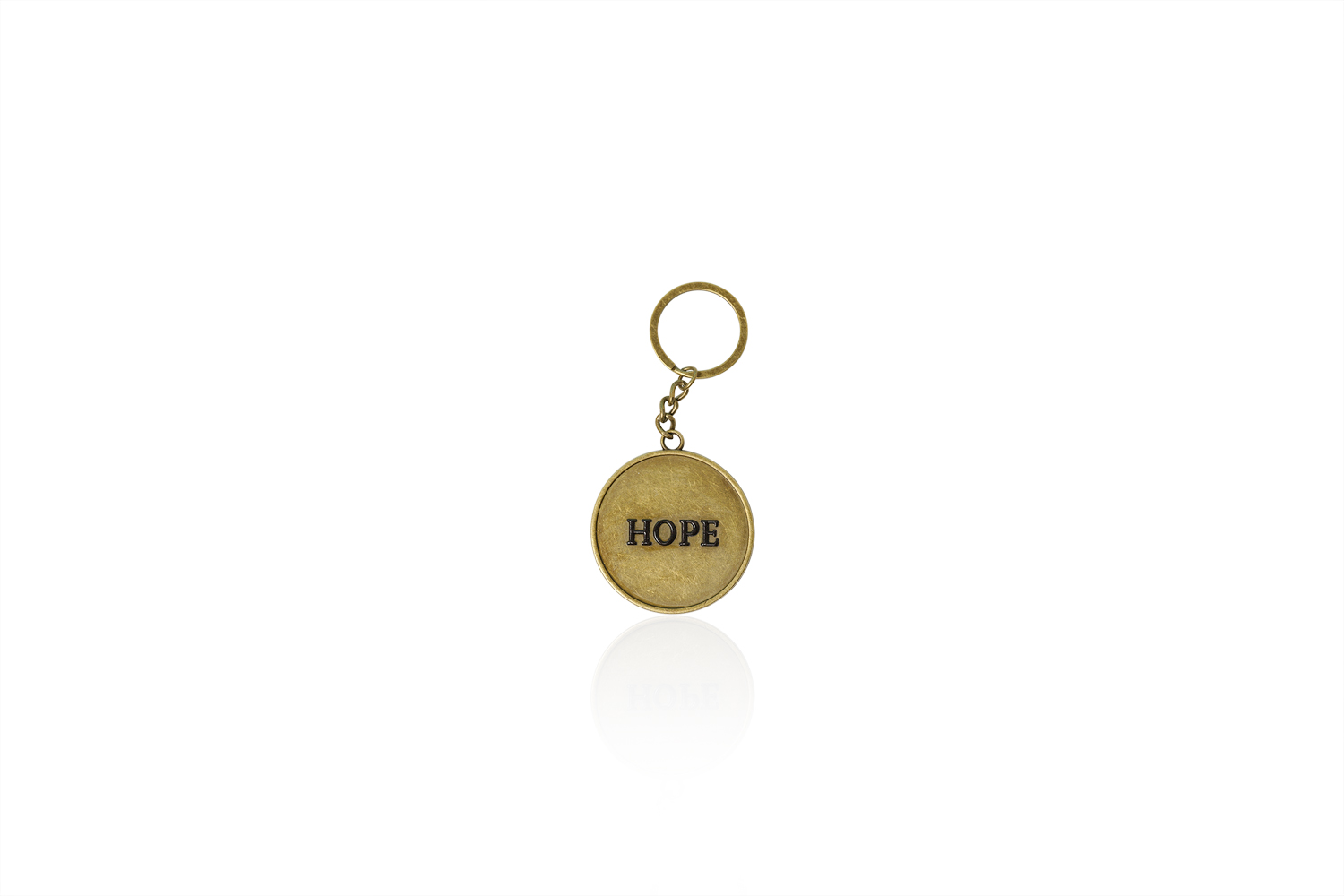


Produced in Israel as a small, durable object meant for daily carry, this metal keychain centers on the red anemone—kalaniyah—a flower inseparable from the country’s southern landscape. One side features a round medallion finished in deep red enamel, with a black center and a single green leaf, set into an antique brass–toned frame. The reverse side is stamped with the word HOPE in raised lettering, direct and unembellished. The piece has weight in the hand and is designed to withstand constant use on keys, bags, or zippers.
The anemone blooms each winter across southern Israel, including the areas near Be’eri and the Gaza border, where it has become a widely recognized marker of place and collective presence. In recent years, the flower’s image has taken on added meaning, appearing across public spaces, personal items, and community projects connected to the south. The decision to pair the anemone with the single word HOPE reflects how the symbol is used locally: plainly, visibly, and without ornament.
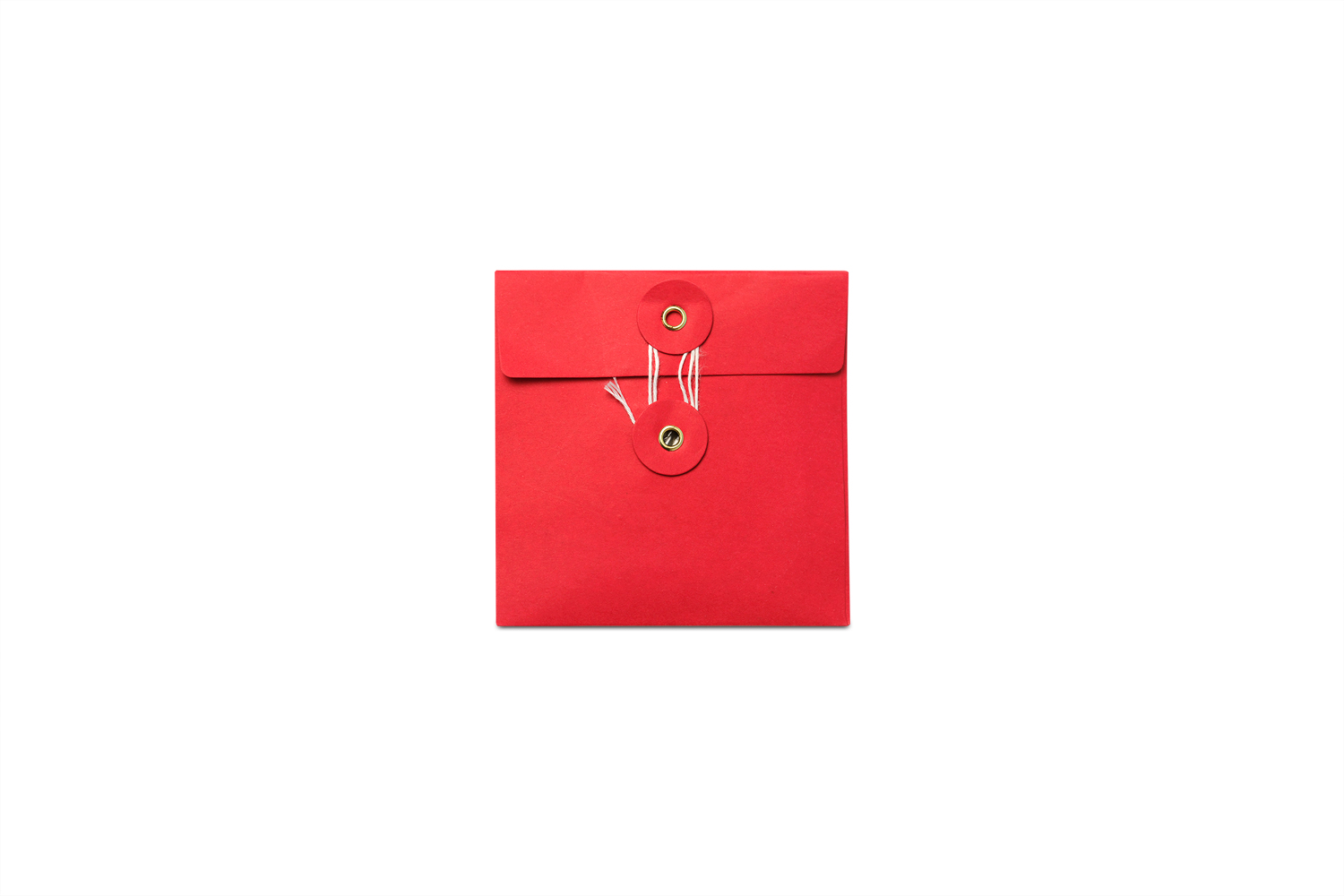
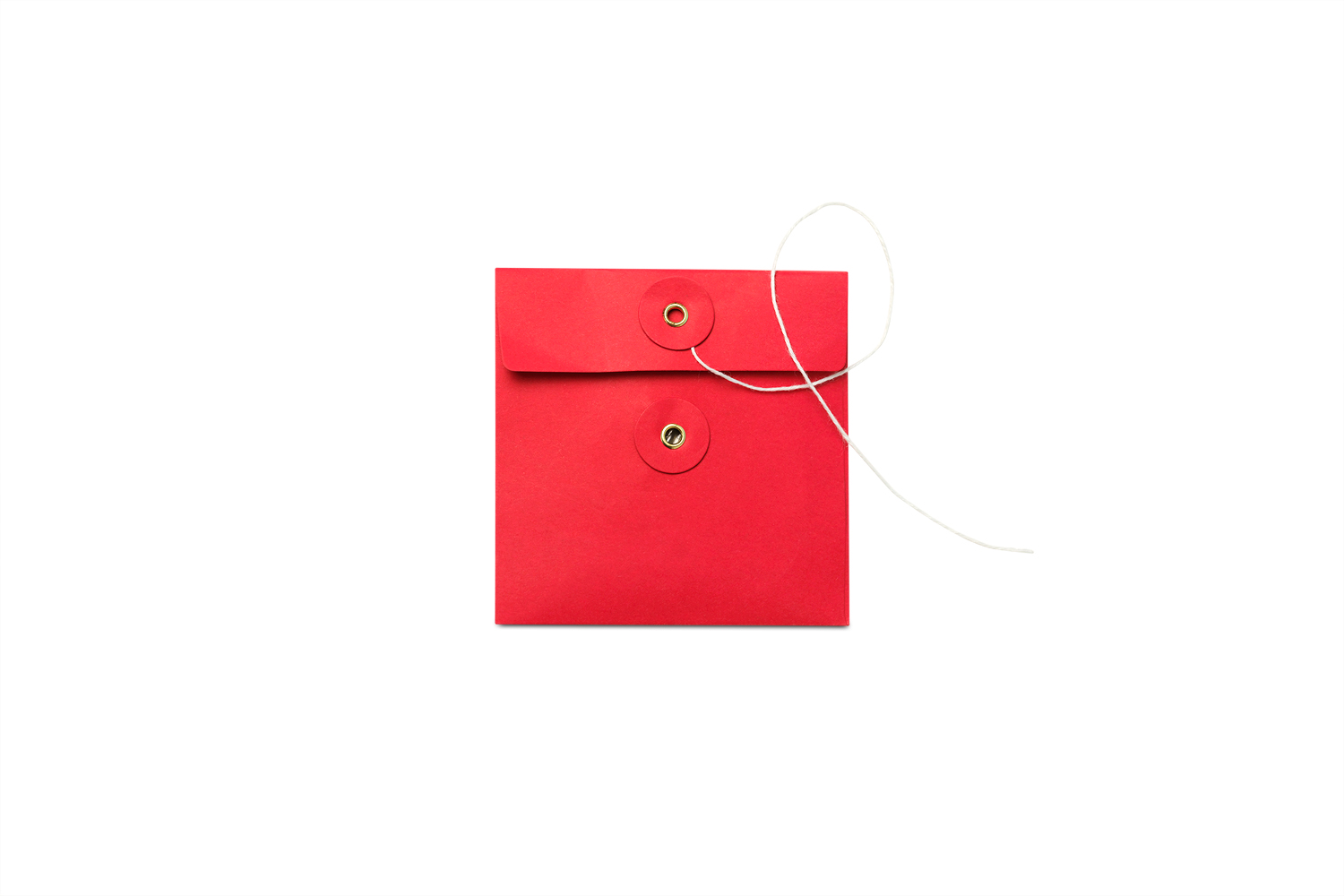
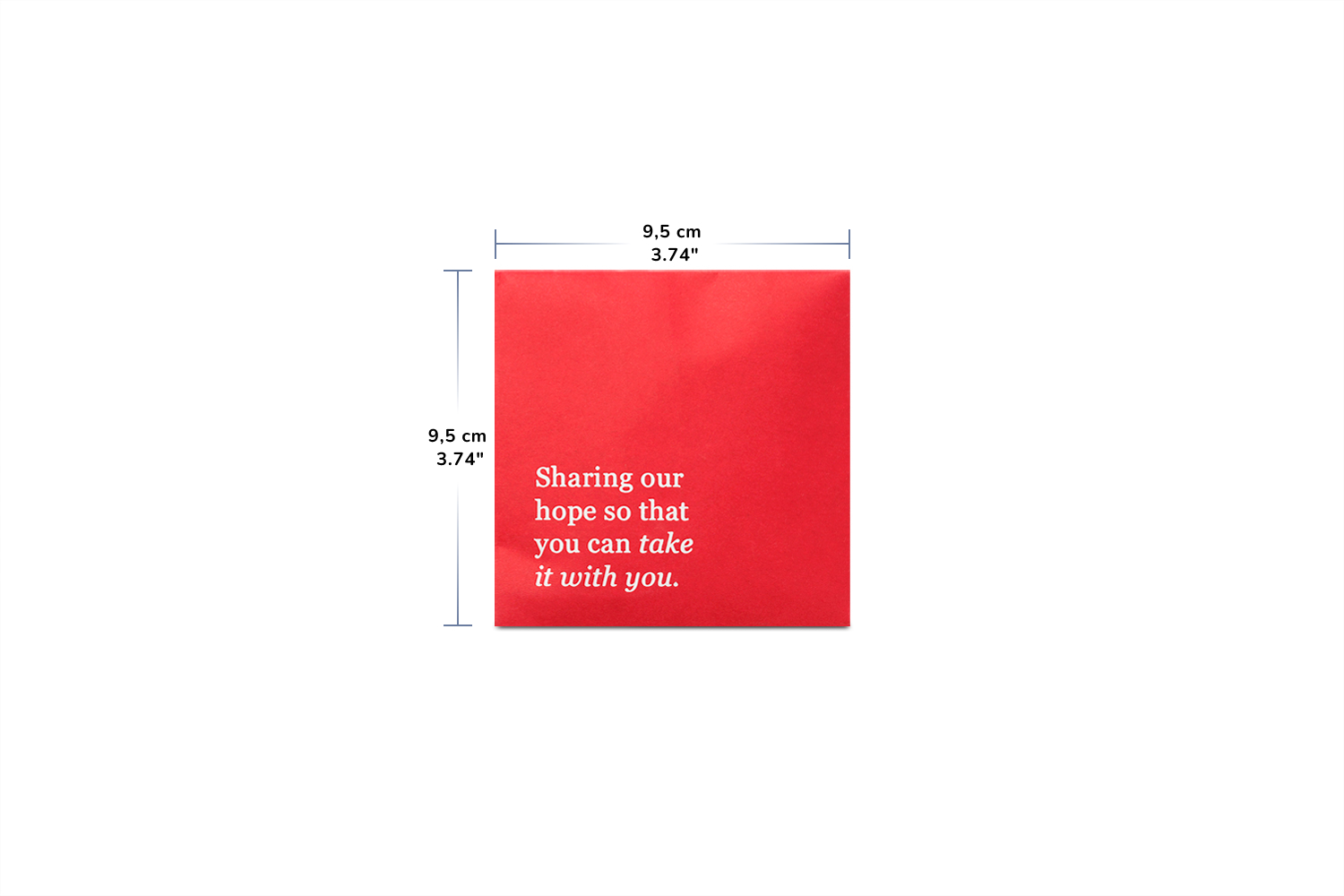
This keychain is part of Kalanit Gifts, a project developed by Sipur Culinary to translate shared regional symbols into everyday objects that move with people rather than remaining static. It is packaged in a red paper envelope printed with the phrase “Sharing our hope so that you can take it with you,” reinforcing its purpose as something meant to be carried forward, not set aside. Made in Israel and grounded in a specific geography, the keychain functions as a constant, personal marker of connection.
“Be strong and courageous, and hope to the Lord.” (Psalms 27:14)
Specifications
Sipor Culinary was founded by Adi Rozen, a long-time resident of Israel’s southern region who has built her work around connecting people to the land through food, design, and shared cultural markers. Operating from Moshav Netiv HaAsara near the Gaza border, Adi has spent years collaborating with local farmers, artisans, and families to develop products that reflect real lives and real places rather than abstract concepts.
Following the devastation of October 7, Adi worked alongside her children to create Kalanit Gifts as a focused response—objects that could honor what was lost while remaining rooted in daily use. The red anemone was chosen deliberately for its deep association with the south and its recurring presence across the landscape. Through Sipor Culinary, Adi continues to develop projects that preserve regional identity, support local producers, and ensure that the communities of southern Israel remain visible, represented, and carried forward.