Your cart
Cart
items
Shopping cart



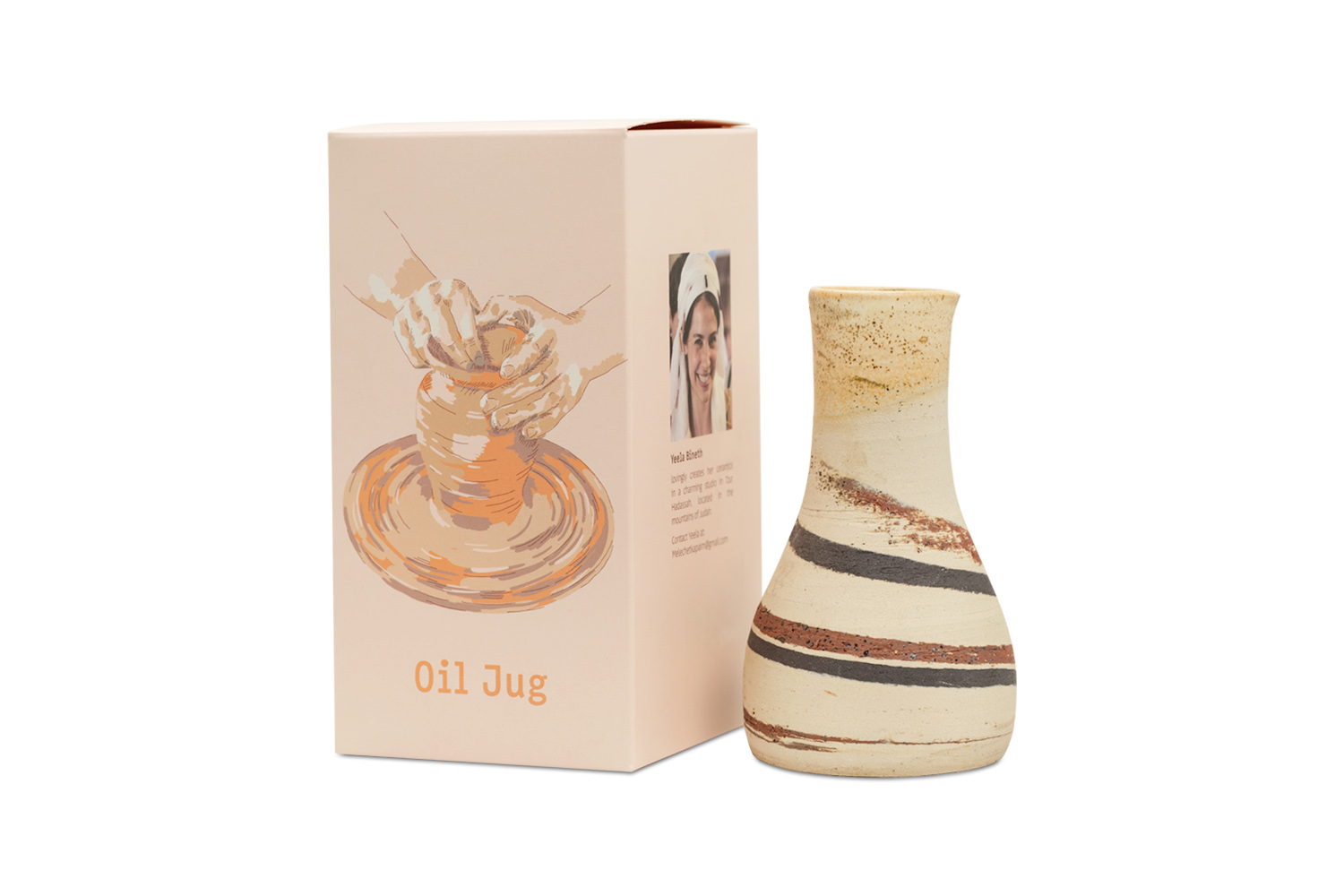
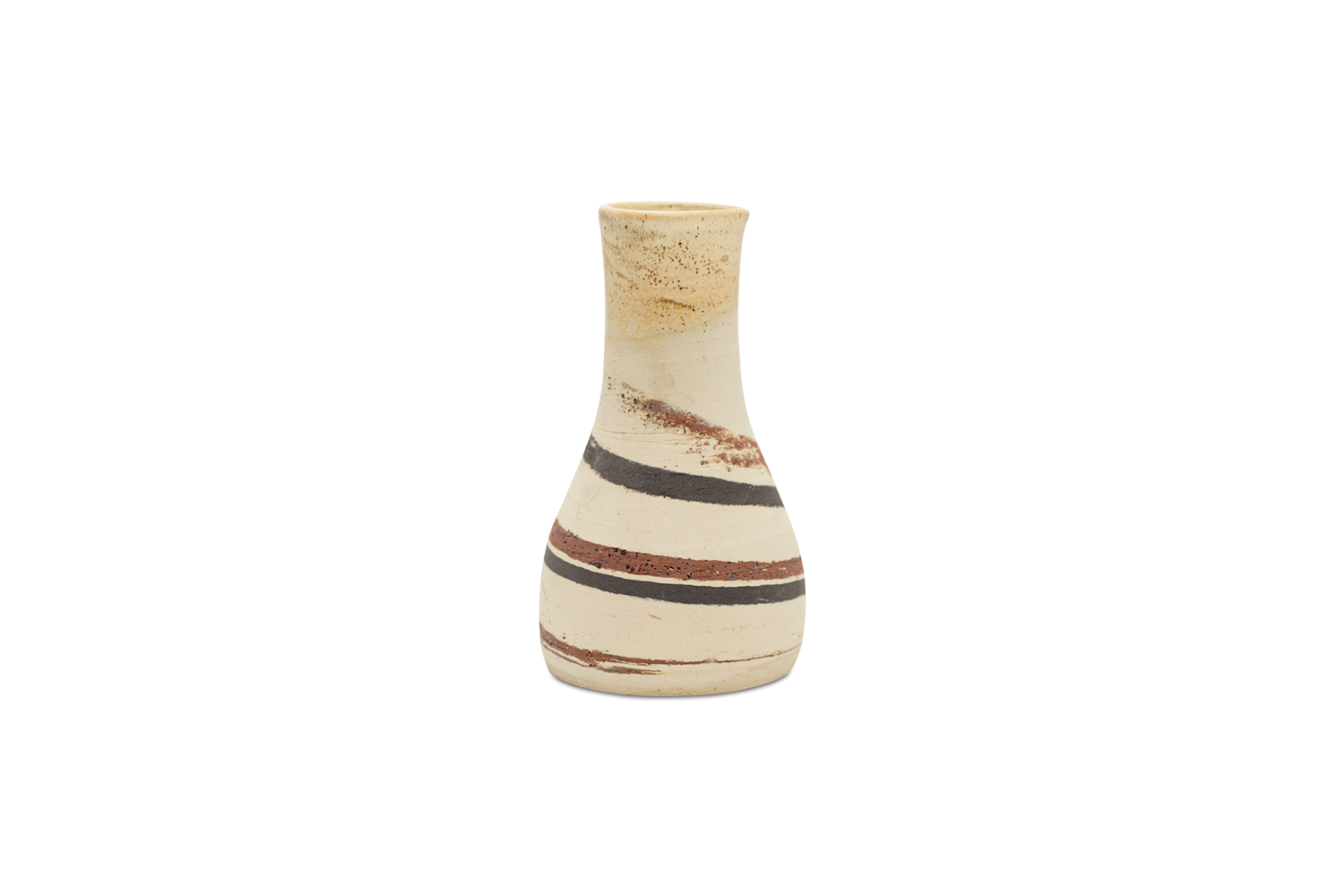
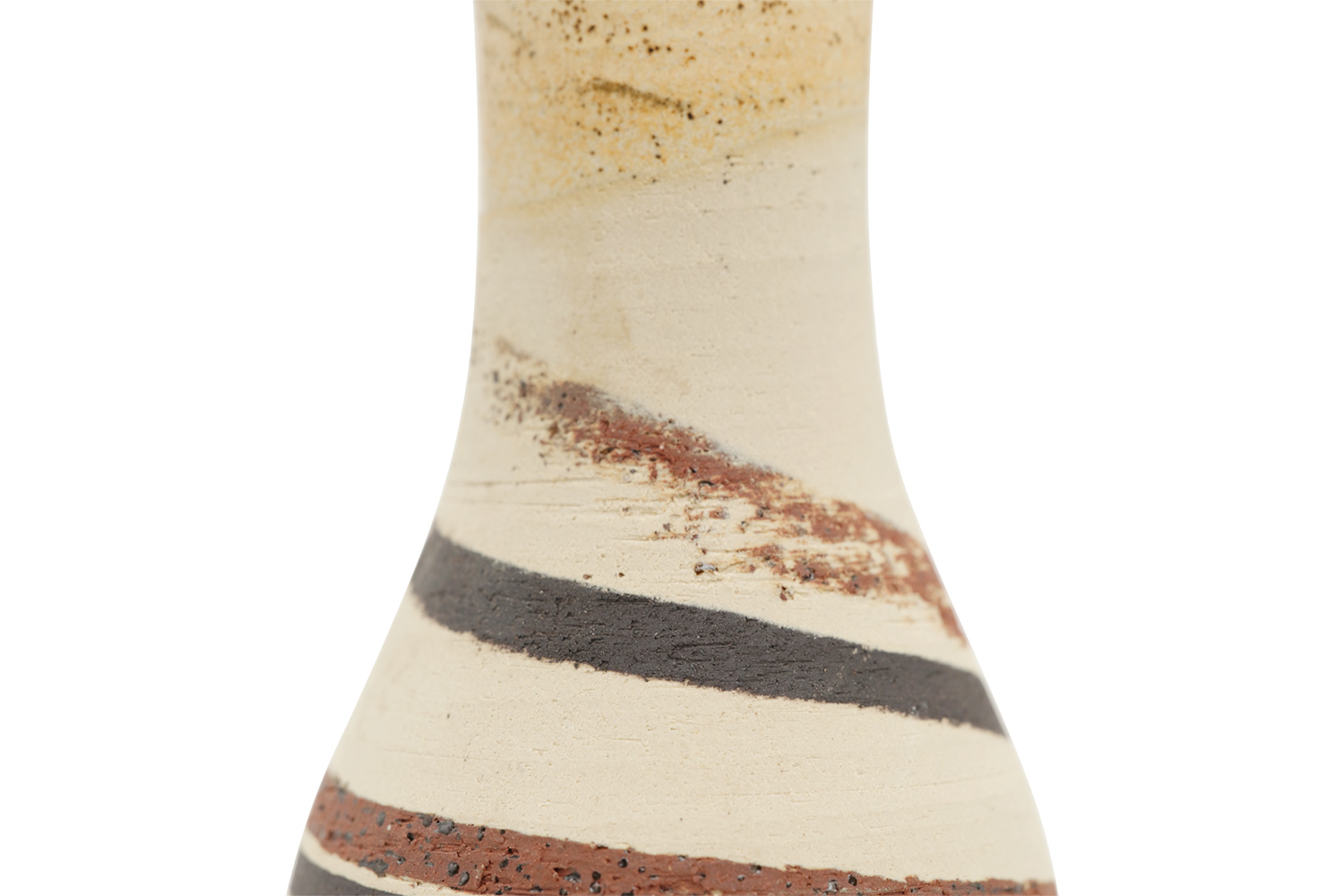
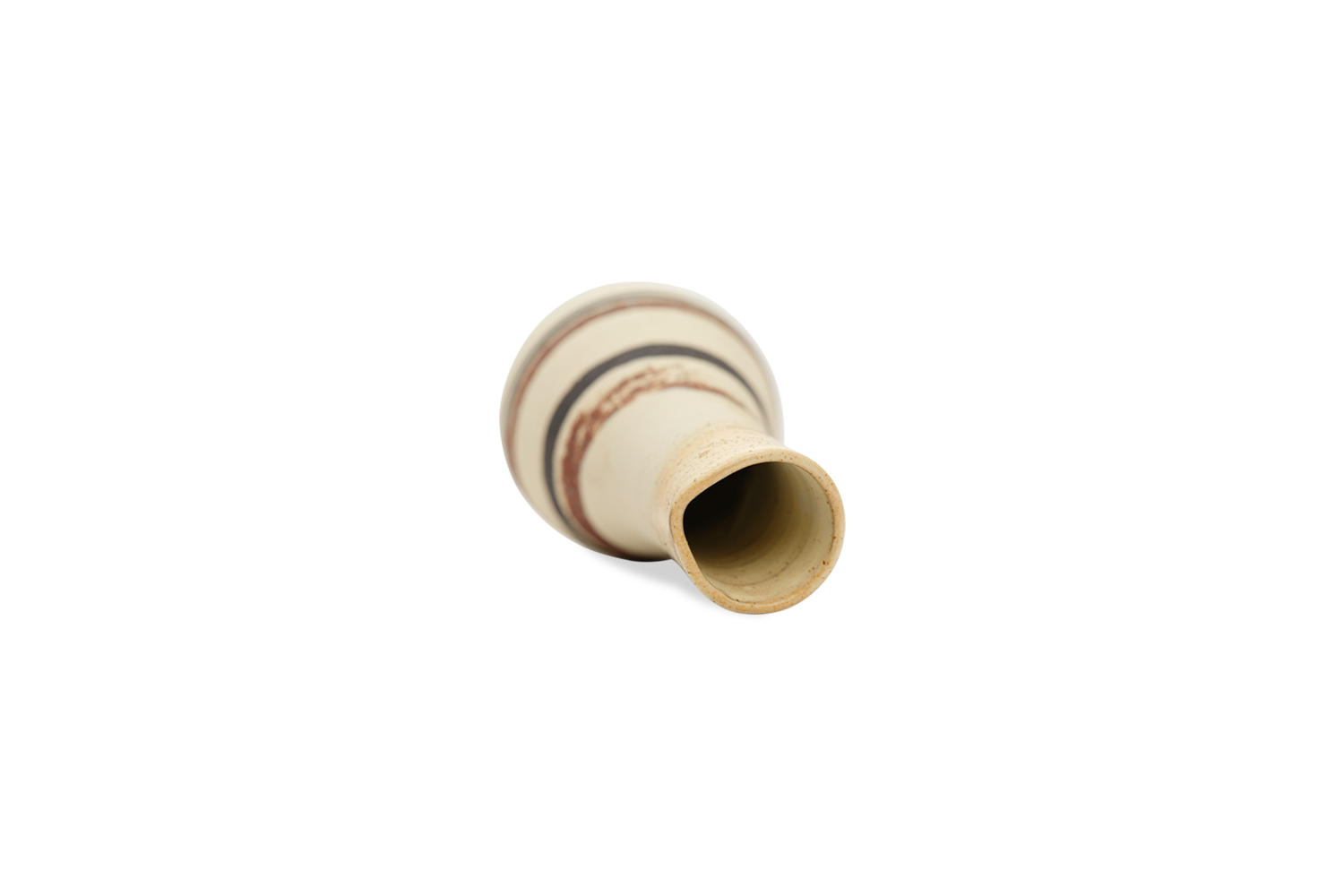
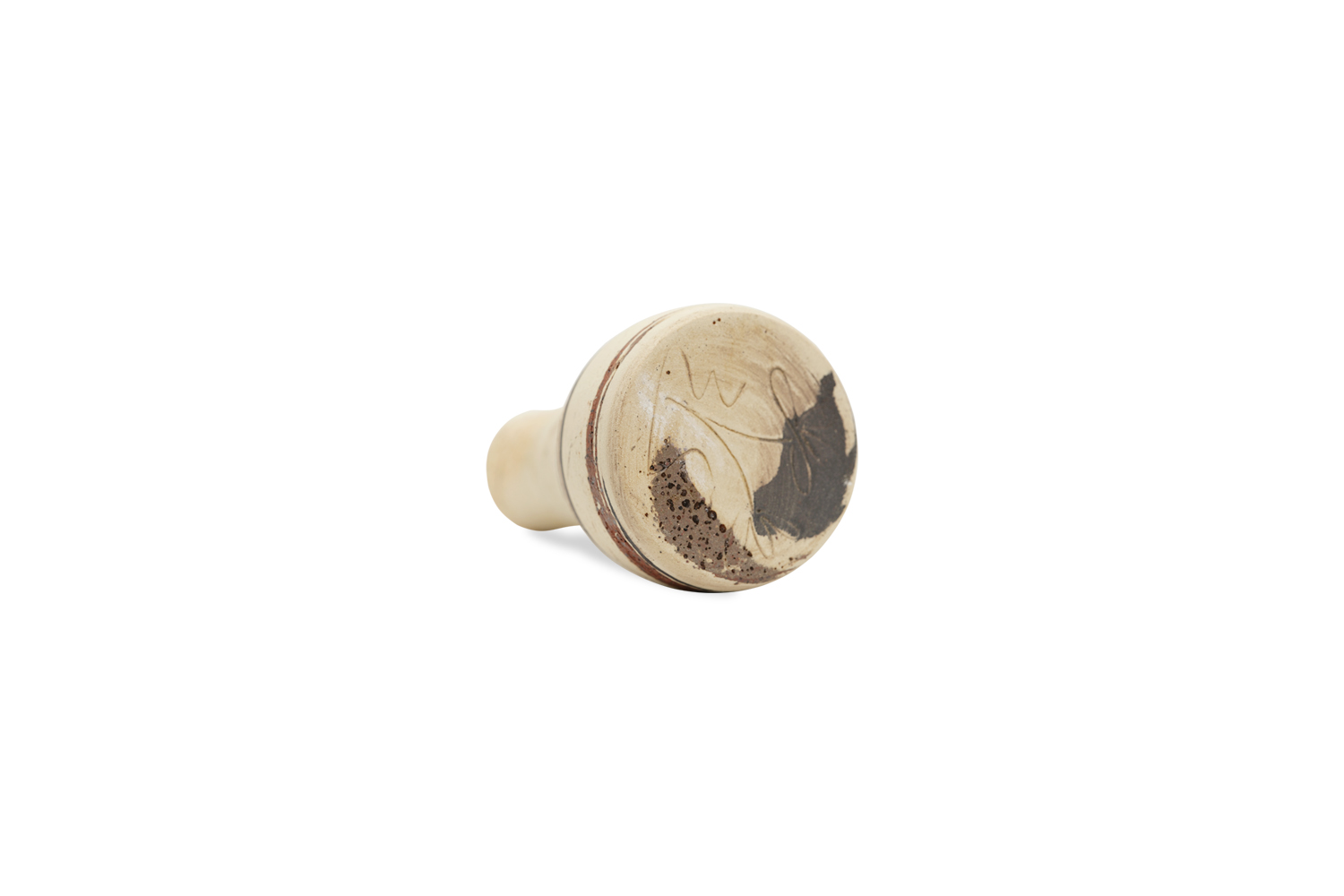
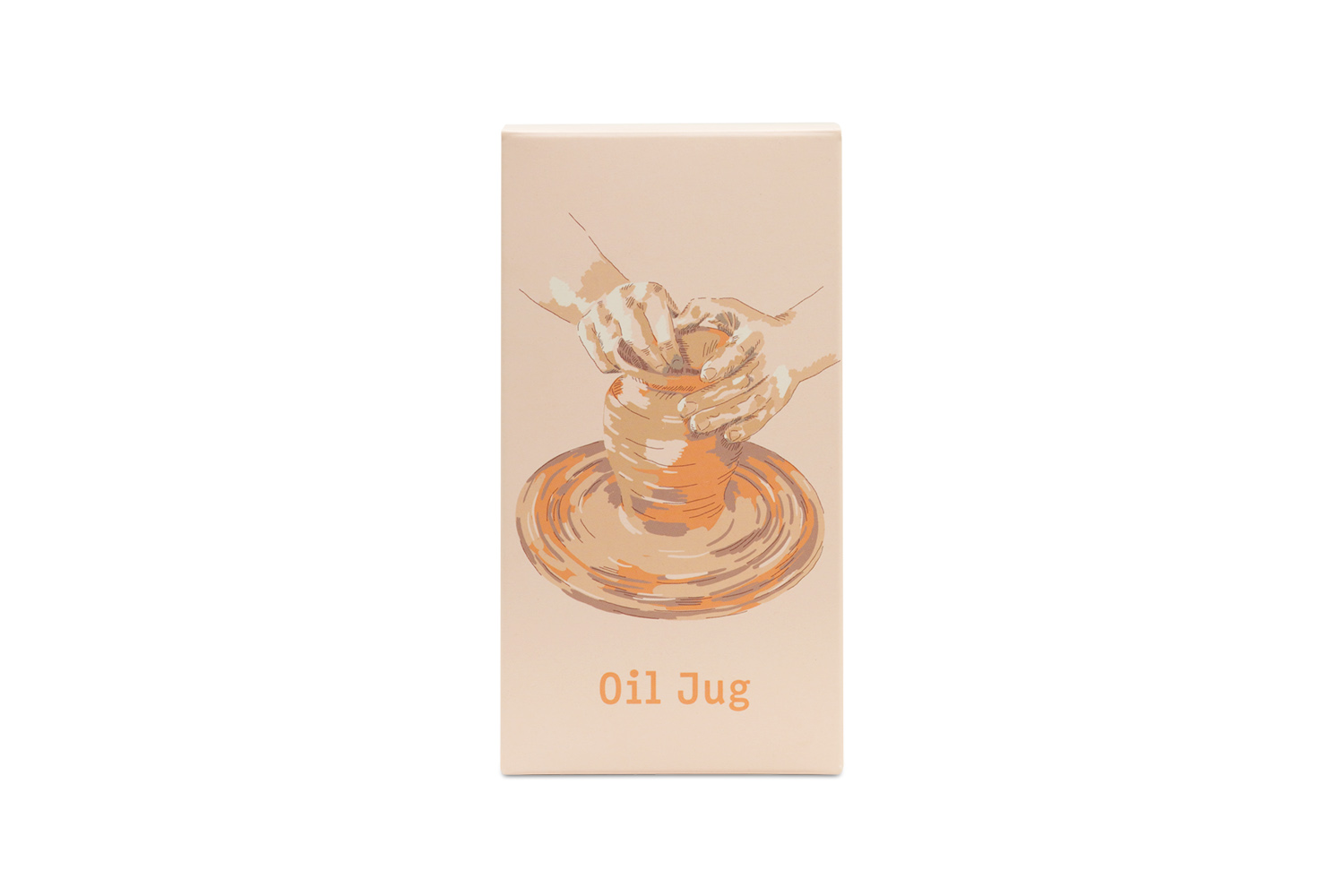
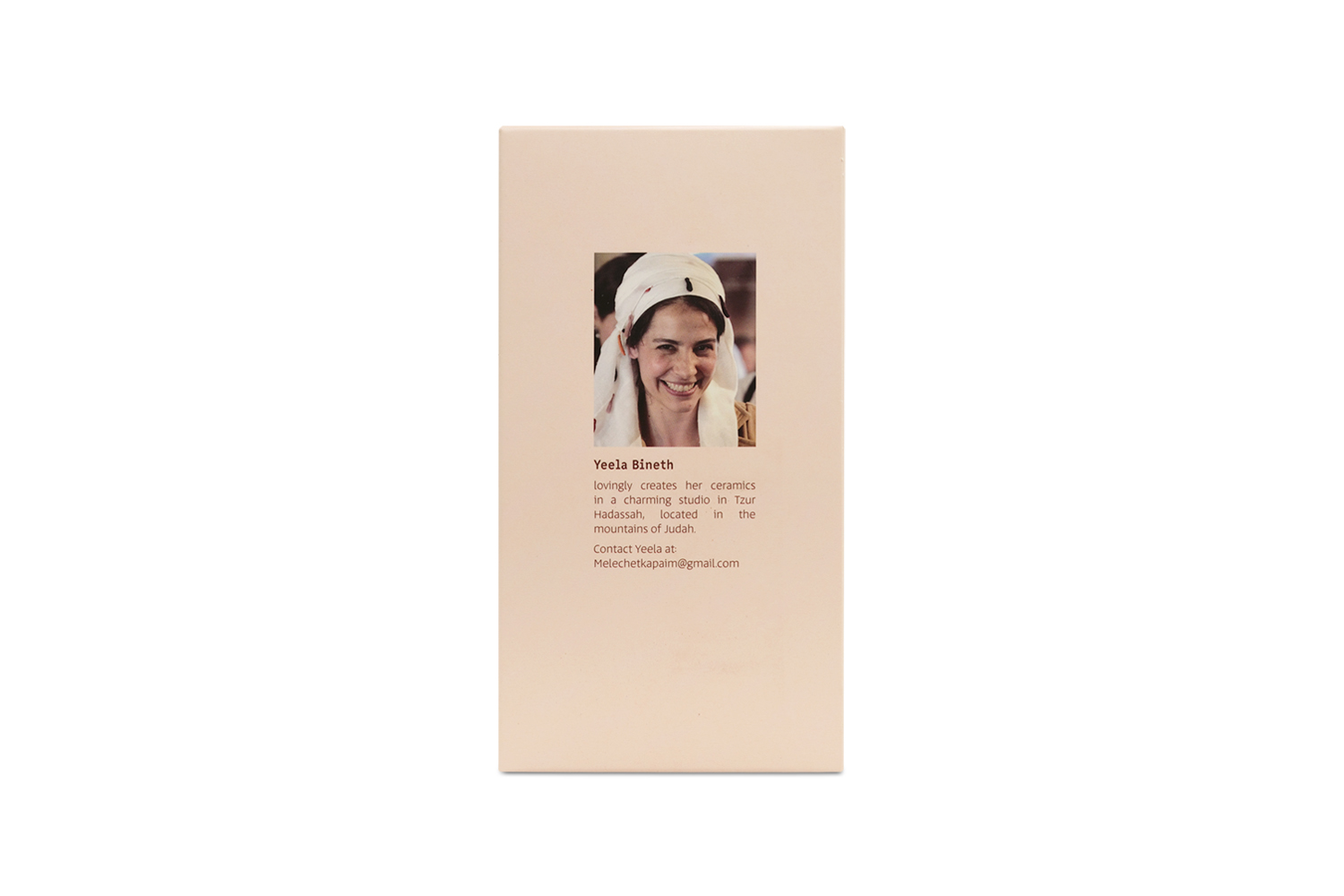
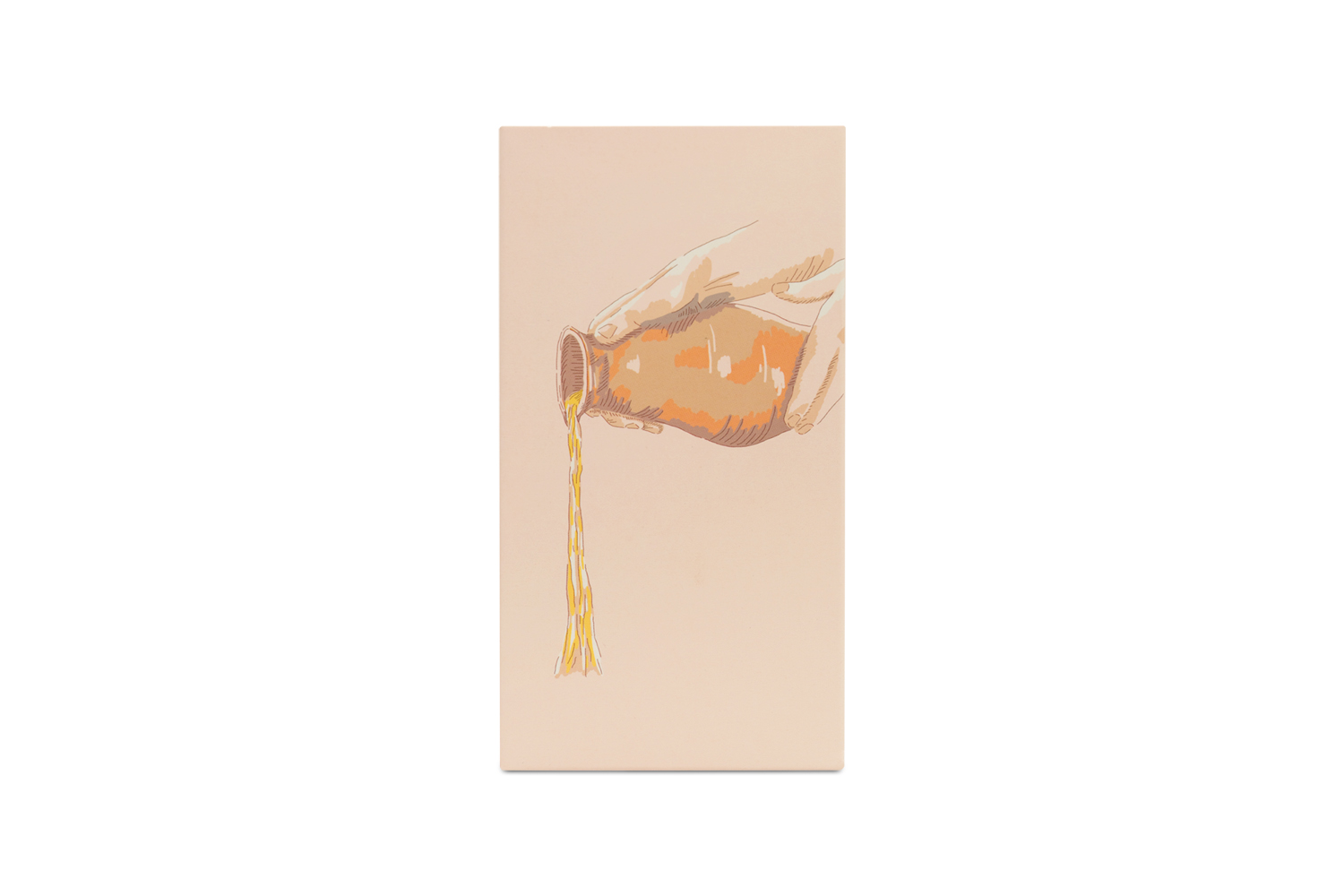
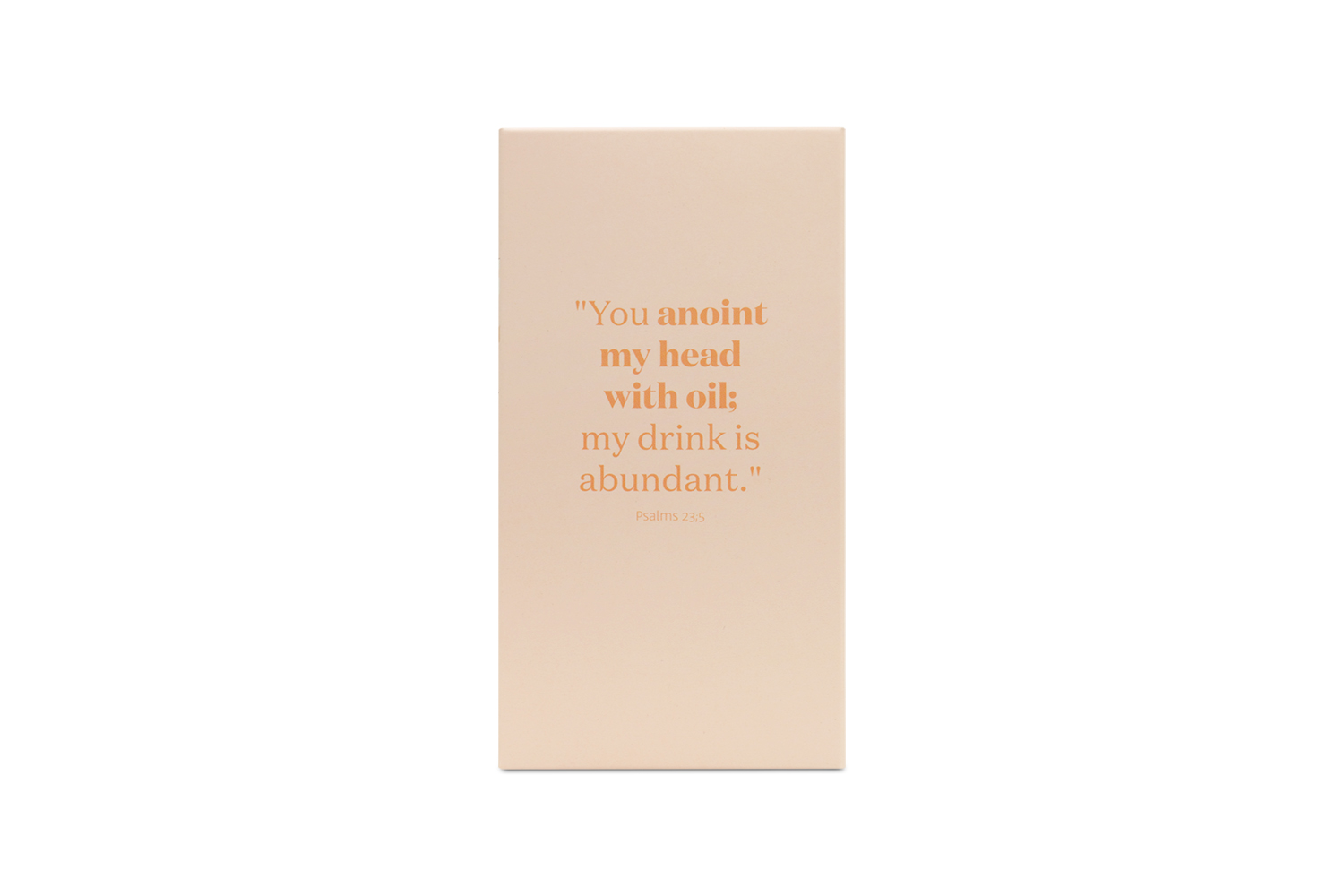
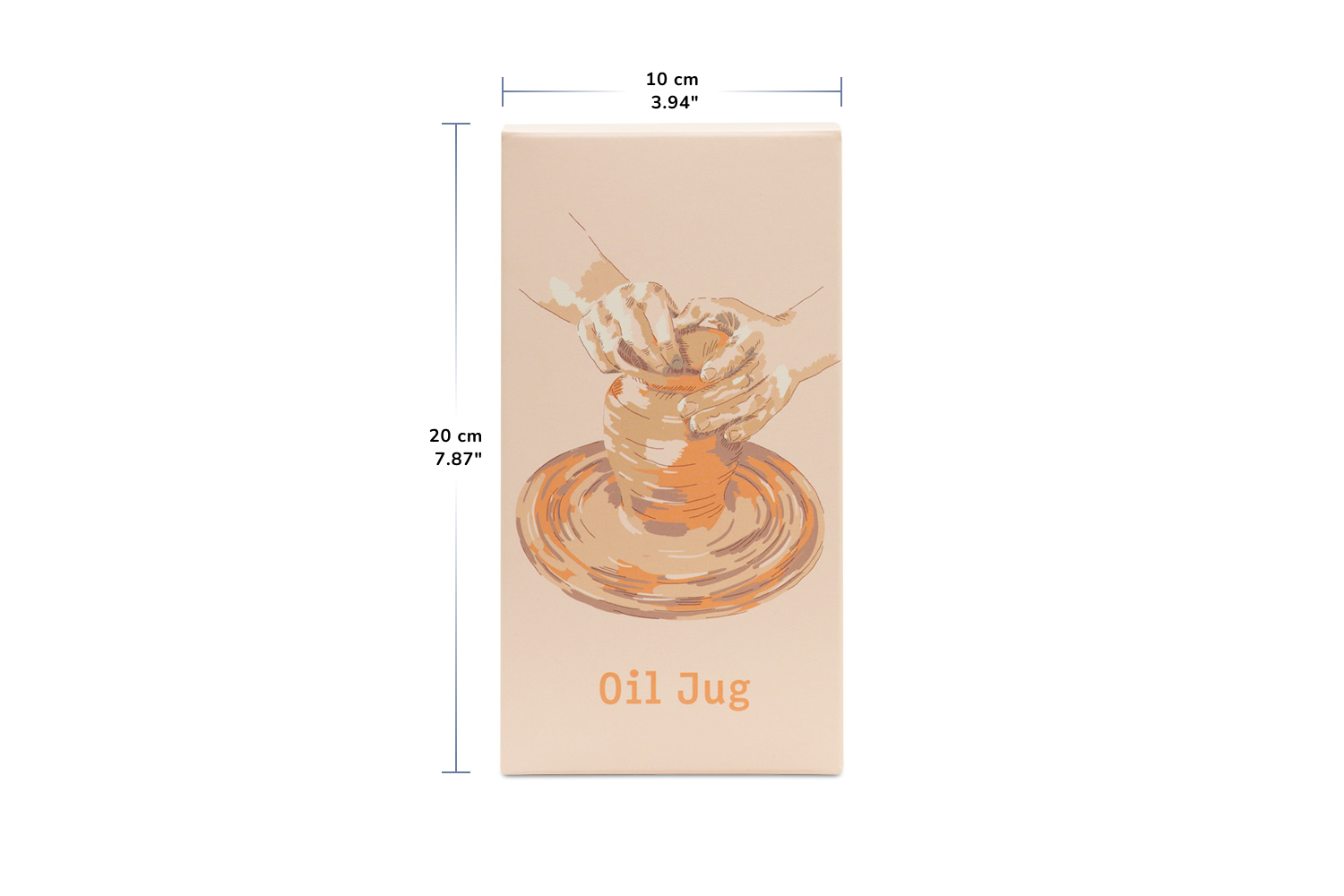

This ceramic oil jug is shaped on the wheel in Tzur Hadassah by artist Yeela Bineth, whose studio sits in the mountains of Judah. The land around her is rugged and full of color, and those elements show up clearly in her work: natural clay tones, bold earthy reds and dark bands, and forms that rise cleanly from a solid base. The jug has a sturdy, satisfying weight and a shape meant for daily use – whether for holding olive oil, a few stems of your favorite flower, or adding the spirit of the Holy Land to a shelf or table.
Yeela’s approach to pottery is rooted in practice and close attention to form. She throws each jug by hand, trims it when the clay reaches the right firmness, and finishes it with the raw slip markings that have become part of her signature style. Nothing in her process is hurried, and each detail embodies the essence of her studio: simple tools, a warm kiln, and a focus on work that feels honest and grounded into the land.
Because every piece moves through her hands from start to finish, the variations in the glaze, striping, and shape are signs of genuine craft. The jug is made with intention and shaped in the same hills that inspired the verse printed on the box. This is a piece made in Israel by an artist whose connection to her land, craft, and materials gives the jug its unique character and presence.
Specifications
Efrat Alfasi is a ceramic artist with a deep love for her craft and the land of Israel. Her studio, nestled in the heart of the Aniam Artists Village in the Golan Heights, is a warm and welcoming space where clay comes to life in her hands.
Every piece she creates has a story. Whether it’s a hand-painted tile, an elegant serving dish, or a beautifully crafted piece of Judaica, her work is inspired by the landscapes, colors, and traditions of Israel. She combines time-honored ceramic techniques with her own artistic touch, making each creation feel both familiar and special.
Visitors to her studio can watch as she shapes and paints each piece by hand, surrounded by the creative energy of the artists’ village. The setting itself, with its charming galleries and workshops, feels like a little pocket of Europe in the Golan, a place where artists and visitors connect over shared appreciation for beauty and craftsmanship.
For Efrat, the art of ceramics is a way to bring people closer to the spirit of Israel, to create something lasting and meaningful. Whether you visit her studio in person or take home one of her handmade pieces, you’re getting a little piece of her heart and the land she loves.


 Item was added